
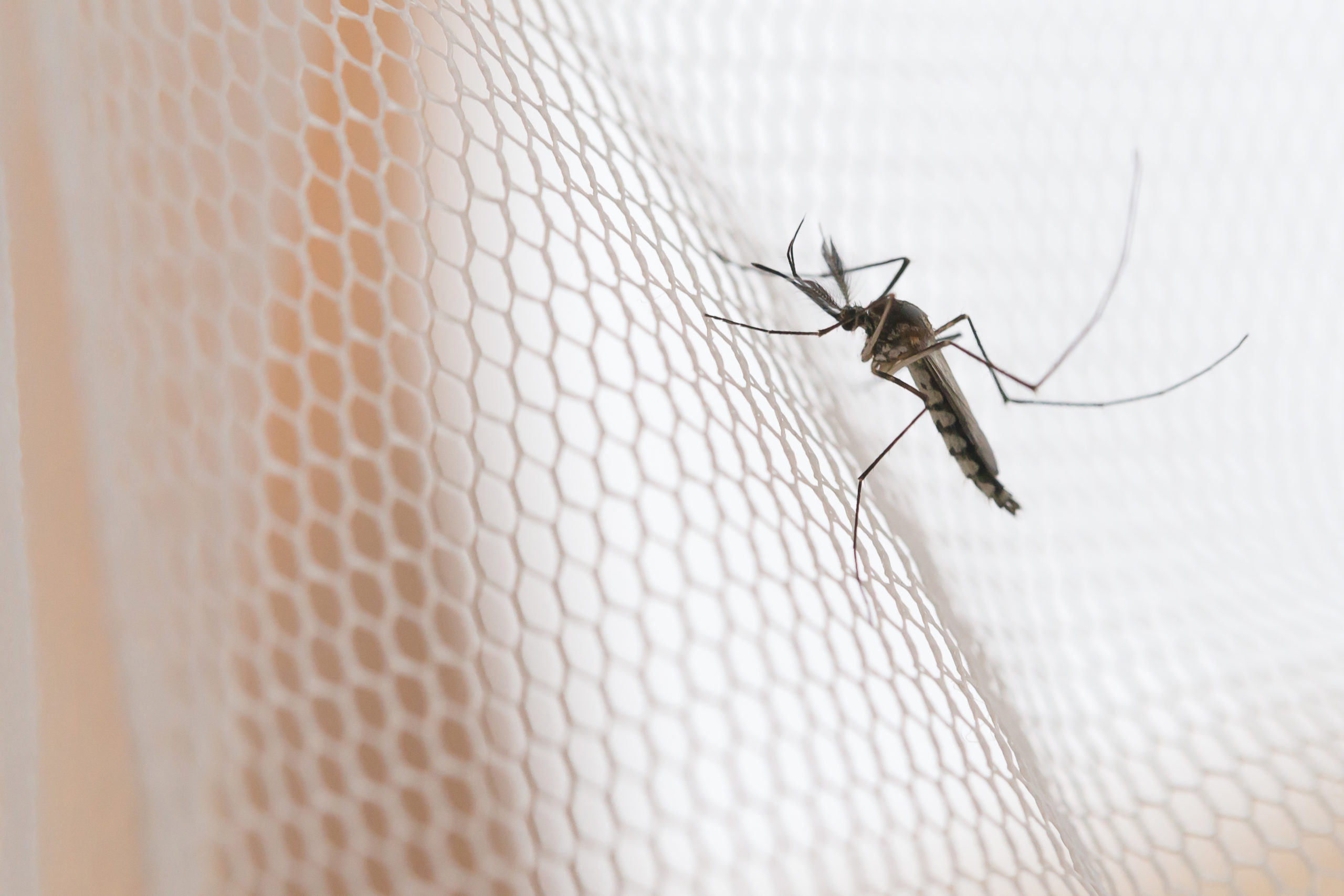
If you’ve already been swatting mosquitoes in your backyard this spring, you’re not imagining things. Mosquito season arrived early across Kansas in 2026, and it’s shaping up to be one of the most active seasons in recent years.
According to NOAA’s seasonal outlook, Kansas and Missouri is projected to see above-normal temperatures throughout spring 2026. That projection held up. March alone shattered temperature records across the state, with over 60 new daily highs recorded in a single day. Kansas also marked its seventh consecutive month of above-normal temperatures, a streak that started back in September 2025.
That early warmth, combined with spring moisture from rain and snowmelt, gave mosquitoes exactly what they need to start breeding weeks ahead of schedule.
Why Warm Weather and Standing Water Are a Dangerous Combination
Mosquito populations depend on two things: heat and water. Kansas and Missouri got both in abundance this spring.
Mosquitoes become active once temperatures consistently reach 50°F. In a typical year, that happens in late April or early May across most of the state. In 2026, parts of Kansas were hitting the 80s and 90s by mid-March. That means mosquito eggs that would normally stay dormant started hatching much earlier than usual.
Female mosquitoes lay their eggs in standing water. It doesn’t take much. A bottle cap, a clogged gutter, a forgotten flower pot saucer. Once those eggs hatch, a new generation of biting adults can emerge in as few as seven to ten days. Multiply that cycle across every yard in your neighborhood, and populations build fast.
According to the Kansas Department of Health and Environment (KDHE), warm temperatures increase the rate of mosquito larvae development, which directly increases the overall mosquito population. The risk of transmission for mosquito-borne diseases like West Nile Virus rises through the summer months and typically peaks between July and September.
Kansas sits in a humidity zone that keeps adult mosquitoes active from late April through September. In 2026, that window opened even earlier.
Where Mosquitoes Are Breeding Around Your Home Right Now
Most homeowners picture ponds or swamps when they think about mosquito breeding grounds. The reality is much closer to home. The majority of backyard mosquito problems come from small, overlooked water sources.
Common breeding spots on Kansas properties include clogged rain gutters that hold water for weeks, flower pot saucers and plant trays on patios and porches, birdbaths that aren’t refreshed regularly, forgotten kiddie pools or pet water bowls, tarps, buckets, and wheelbarrows collecting rainwater, and low spots in the yard where water pools after a storm.
Any container holding still water for more than a few days can produce hundreds of mosquitoes. Eliminating standing water is the single most effective thing you can do on your own to reduce mosquito pressure around your home.
What Works and What Doesn’t?
There’s no shortage of mosquito control products on store shelves. Citronella candles, tiki torches, bug zappers, wristbands, ultrasonic devices. They all promise relief. Most of them fall short.
Citronella candles only affect a small area directly around the flame, and any breeze cuts their effectiveness significantly. Bug zappers actually attract more insects into your yard than they eliminate, and studies have consistently shown they primarily catch beetles and moths, not mosquitoes. Wristbands and ultrasonic devices have been repeatedly tested and shown to have little to no measurable effect.
What work falls into two categories: source reduction and professional mosquito control solutions.
Source reduction means removing the standing water where mosquitoes breed. Walk your yard once a week and dump, drain, or cover anything holding water. Clean your gutters. Refresh birdbaths every few days. Fill in low spots where water collects. This alone makes a noticeable difference.
Professional mosquito control goes further. A specialist inspects your property, identifies mosquito-friendly areas including standing water, and creates a customized plan using targeted solutions. The focus is on the areas where mosquitoes rest, hide, and breed: shaded vegetation, fence lines, under decks, and around tree lines. It’s not a candle on your patio table. It’s a real barrier that keeps working between visits.
The combination of source reduction at home and a professional mosquito management plan is the most effective approach for season-long control.
When Should You Start?
Now.
Most homeowners wait until mosquitoes are unbearable, usually late June or July, before looking into solutions. By then, populations are established and much harder to manage.
Starting in early to mid-May, while populations are still building, gives you a real advantage. You’re reducing numbers before they peak instead of playing catch-up after they’ve already taken over your yard.
If you’re already noticing mosquitoes in April or early May, that’s your signal. The season is underway and will only intensify through the summer months.
How Green Pest Solutions Can Help
Green Pest Solutions offers customized mosquito control services designed to reduce activity and prevent future breeding on your property. Every plan starts with a property inspection to identify problem areas, followed by targeted solutions built around your specific space.
Our Pest-Free, Worry-Free Guarantee means we work with you to create a personalized plan aligned with your needs. We’ll even come back outside of our normally scheduled visits, at no cost to you, until the problem is resolved.
Protect Your Yard Before the Peak
Mosquito season in Kansas and Missouri is already underway, and 2026 is not going to be a light year. The earlier you act, the more control you have over what your summer looks like.
Start by walking your property and eliminating any standing water. Then consider professional mosquito control to handle what DIY methods can’t reach.
Ready to take your yard back?
Contact Green Pest Solutions today at 785-596-0446 (Topeka), 913-407-1600 (Lenexa), or request your free estimate.
