

If ticks have been on your mind more than usual this year, you’re not alone.
A recent national survey by Modern Pest Services found that more than 20% of Americans are “very worried” about ticks this summer, with another 45% saying they’re “somewhat worried.” That’s nearly two out of every three people heading into the warm months with ticks on their radar.
And for homeowners in the Topeka, Lenexa, and greater Kansas City area? That concern is especially well-placed. Our part of Kansas is home to several tick species that carry serious diseases, and 2026 is shaping up to be a particularly active year. Here’s what’s driving the worry, which ticks to watch for, and what you can do to actually enjoy your yard this summer.
This Year Is Worse Than Usual, and the Numbers Show It
This isn’t just a feeling. The CDC reported earlier this spring that emergency room visits for tick bites are at their highest level for this time of year since 2017, up more than 25% compared to last April. Health experts are pointing to a combination of factors, including a mild winter that allowed tick populations to survive in higher numbers and get active earlier than normal.
Here in northeast Kansas, we saw warmer-than-average temperatures through the winter and into early spring. That means ticks didn’t experience the kind of hard freeze that typically knocks their numbers back. They had a head start this year, and it’s showing up in what our team is seeing on properties from Topeka to Lenexa and across the KC metro.
The Ticks Kansas Homeowners Need to Know About
Not all ticks are the same, and Kansas is home to three species that matter most for homeowners and their families:
Lone Star Tick
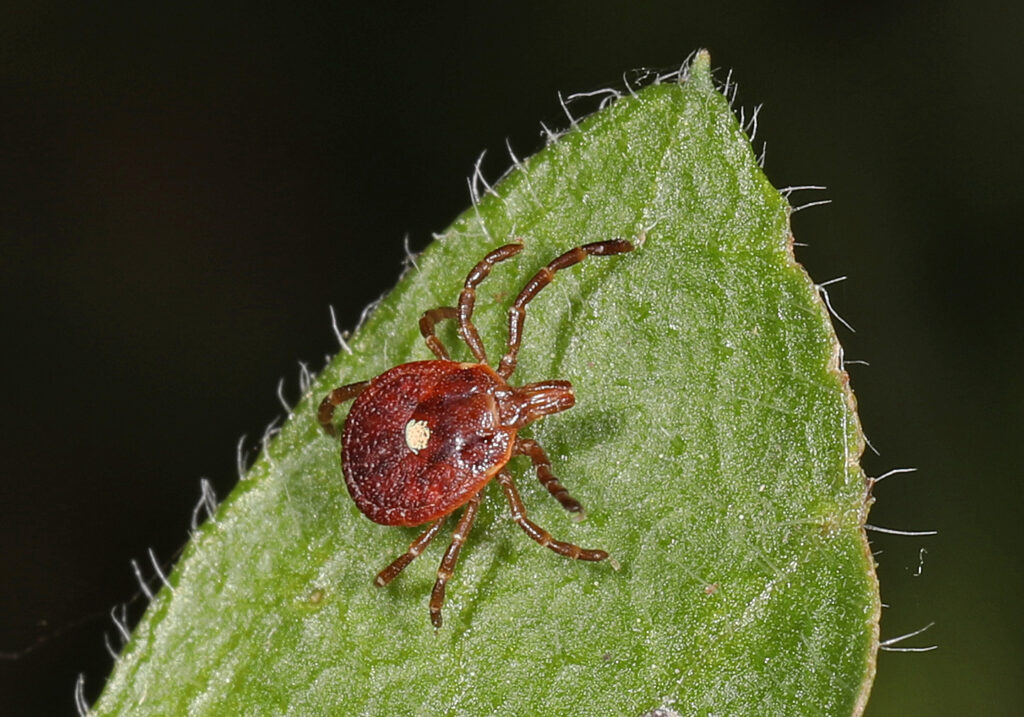
This is the most common tick you’ll encounter in Kansas and Missouri. It’s aggressive, it actually moves toward people rather than just waiting in the grass, and it’s active from spring through late fall. Lone star tick bites have been linked to ehrlichiosis, tularemia, and alpha-gal syndrome, a condition that can trigger a serious allergic reaction to red meat. That last one catches a lot of people off guard. A single bite from a lone star tick can cause a lifelong sensitivity to beef, pork, and other red meats.
American Dog Tick

Also very common in the Topeka and Kansas City area, especially in grassy yards, along trails, and in properties that border wooded edges or creek lines. The American dog tick is the primary carrier of Rocky Mountain spotted fever in our region. Despite the name, this tick bites people just as readily as it bites dogs.
Blacklegged Tick (Deer Tick)
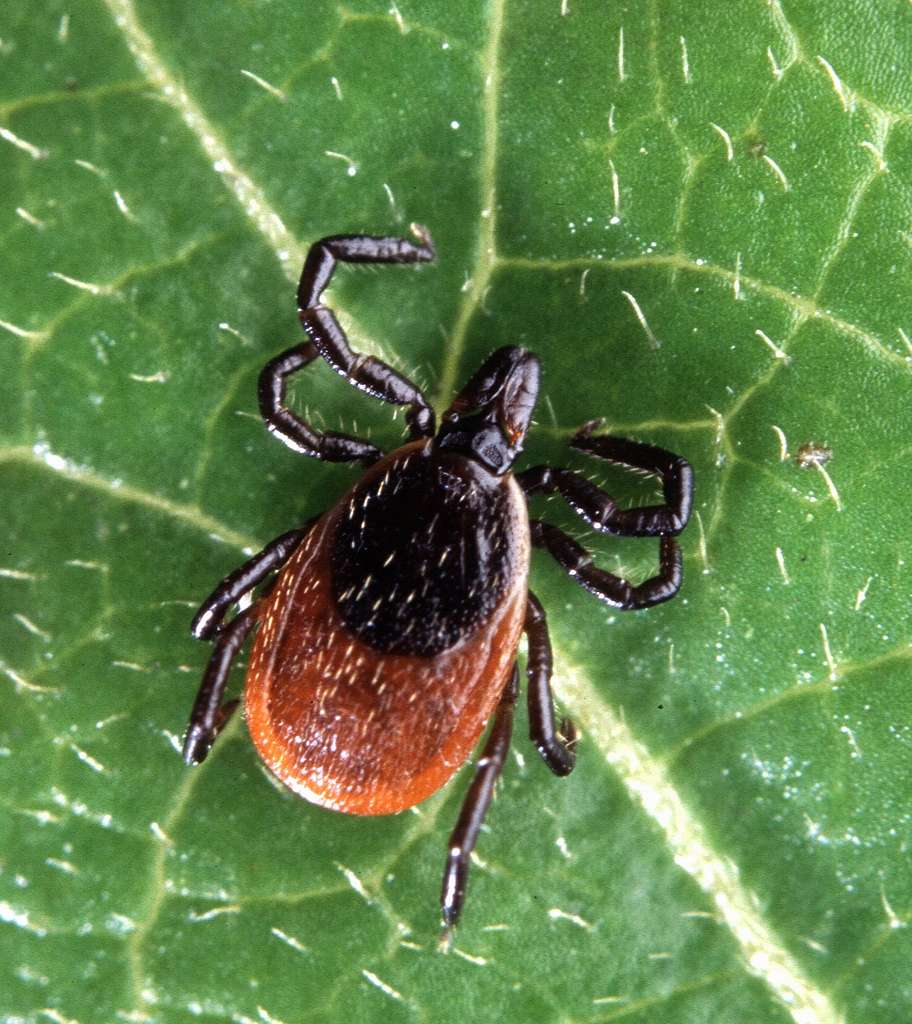
While Kansas isn’t considered a high-incidence state for Lyme disease, cases do occur here, and the blacklegged tick is the one responsible. These ticks are smaller and harder to spot than the other two, especially in their nymph stage, roughly the size of a poppy seed. They’re most commonly found in wooded, brushy areas and along the edges of yards that back up to tree lines.
Most People Don’t Know as Much as They Think
One of the more eye-opening findings from the survey is the gap between confidence and actual knowledge. While 62% of Americans said they feel confident identifying different ticks, only 40% could actually identify a lone star tick correctly, and just 36% could identify a deer tick.
The knowledge gap goes beyond identification. According to the survey, two out of five Americans don’t know how to properly remove a tick, and more than half are unfamiliar with the symptoms of tick-borne illnesses. Among parents, 27% said they never check their children for ticks, and 47% only check after time spent near woods or tall grass, even though ticks are just as present in mowed lawns, garden beds, and play areas.
That’s worth repeating: ticks don’t just live in the deep woods. Whether you’re in a neighborhood in Lenexa, a property outside Topeka, or anywhere in between, they’re in your yard, along your fence line, in your landscaping beds, and in the shady spots where your kids and pets spend time.
What You Can Do to Protect Your Family (and Your Pets)
The good news is that tick prevention doesn’t have to be complicated. A few practical steps can make a real difference:
Keep Your Yard Maintained
Ticks thrive in tall grass, leaf litter, and overgrown edges. Keeping your lawn mowed and your landscaping trimmed reduces the areas where ticks like to hang out. Clear leaf litter, move woodpiles away from the house, and keep play areas in sunny, open spots when possible.
Do Tick Checks After Time Outside
Make it a habit, not just after hikes but after any time spent in the yard. Check along the hairline, behind the ears, under the arms, around the waistline, and behind the knees. Don’t forget to check your pets, too.
Know How to Remove a Tick Properly
Use fine-tipped tweezers, grasp the tick as close to the skin as possible, and pull straight up with steady pressure. Don’t twist, squeeze, or crush the tick. Clean the area with soap and water afterward, and keep an eye out for any rash or flu-like symptoms in the days and weeks that follow.
Invest in Professional Yard Treatments
This is the most effective way to reduce tick populations where your family actually spends time. Our Total Yard Pest Protection program targets ticks (along with mosquitoes, fleas, and chiggers) with treatments applied directly to your lawn and the perimeter zones where ticks rest and wait for a host. Homeowners on the program typically see up to a 90% reduction in yard pests like ticks, which means fewer tick checks ending with an unwelcome surprise.
Your Yard Should Be a Place You Enjoy, Not Worry About
The survey also found that 47% of Americans say mosquitoes prevent them from enjoying their yards. Add ticks to the mix, and it’s easy to see why so many families feel like the outdoors isn’t worth the hassle.
It doesn’t have to be that way. A yard that’s been professionally treated feels different. You notice it when the kids play outside without coming in covered in bites. When the dog isn’t picking up hitchhikers every time it goes out. When you can sit on the patio in the evening without second-guessing it.
That’s what Total Yard Pest Protection is designed to do: give you your yard back so you can actually use it.
Ready to reduce ticks in your yard this summer? Get your free estimate here, or call us directly:
Topeka: (785) 596-0446
Lenexa/Kansas City: (913) 407-1600
