

If you’ve stepped outside recently and noticed bugs clustering on the sunny side of your house, or worse, found a few making their way indoors, you’re not imagining it. September is when a specific group of pests starts showing up across Topeka, Lenexa, and the greater Kansas City area, and they all have one thing in common: they’re looking for somewhere warm to spend the winter, and your house looks like a great option.
Pest professionals call this group “fall invaders” or “occasional invaders.” Unlike ants or termites, they’re not after your food or your walls. They’re after shelter. And once the nights start cooling off, they show up fast and in large numbers.
Here are the three you’re most likely to see this season, how to tell them apart, and what you can do before they get inside.
Brown Marmorated Stink Bugs
Credit: Judy Gallagher Creator: Judy Gallagher
Stink bugs are relatively new to our area; they arrived from Asia and have spread rapidly across the Midwest over the past decade. They’re now firmly established throughout Kansas and Missouri, and September through October is when they become impossible to ignore.
How to Identify Them
Brown marmorated stink bugs are shield-shaped, about the size of a fingernail, and mottled brown with distinctive banding on their legs and antennae. Their name gives away their defense mechanism: when disturbed or crushed, they release a strong, unpleasant odor. That’s exactly why pest professionals recommend vacuuming them up rather than squashing them.
Why They’re a Problem
Stink bugs don’t bite, sting, or cause structural damage. But they gather in large numbers on exterior walls, window screens, and siding, and once temperatures drop, they push their way inside through any gap they can find. If they get into your walls or attic, they’ll stay there through the winter and start emerging again in spring, often in your living space.
Multicolored Asian Lady Beetles

Creator: Brenda Dobbs
These are commonly mistaken for regular ladybugs, but they’re a different, invasive species that behaves very differently once fall arrives.
How to Identify Them
Asian lady beetles range from mustard yellow to dark orange-red, with variable spotting (some have none at all). The easiest way to tell them apart from a native ladybug is the dark, M-shaped marking just behind the head. They’re also slightly larger than the ladybugs most people grew up seeing in the garden.
Why They’re a Problem
Asian lady beetles were originally introduced to the U.S. as a form of natural pest control for aphids. The problem is they outcompete native ladybug populations and, unlike native species, they actively seek shelter inside homes rather than staying outdoors through winter. They’re drawn to light-colored, sun-facing walls that absorb heat, and once one finds a way in, its scent trail attracts more. When disturbed, they release a foul-smelling yellowish fluid that can stain walls, curtains, and furniture. Some people also report a mild bite, which is unusual for anything resembling a ladybug.
Boxelder Bugs
Credit: Katja Schulz from Washington, D. C., USA
Named after their preferred host tree, boxelder bugs are one of the most recognizable fall invaders because of how they gather in huge, visible clusters.
How to Identify Them
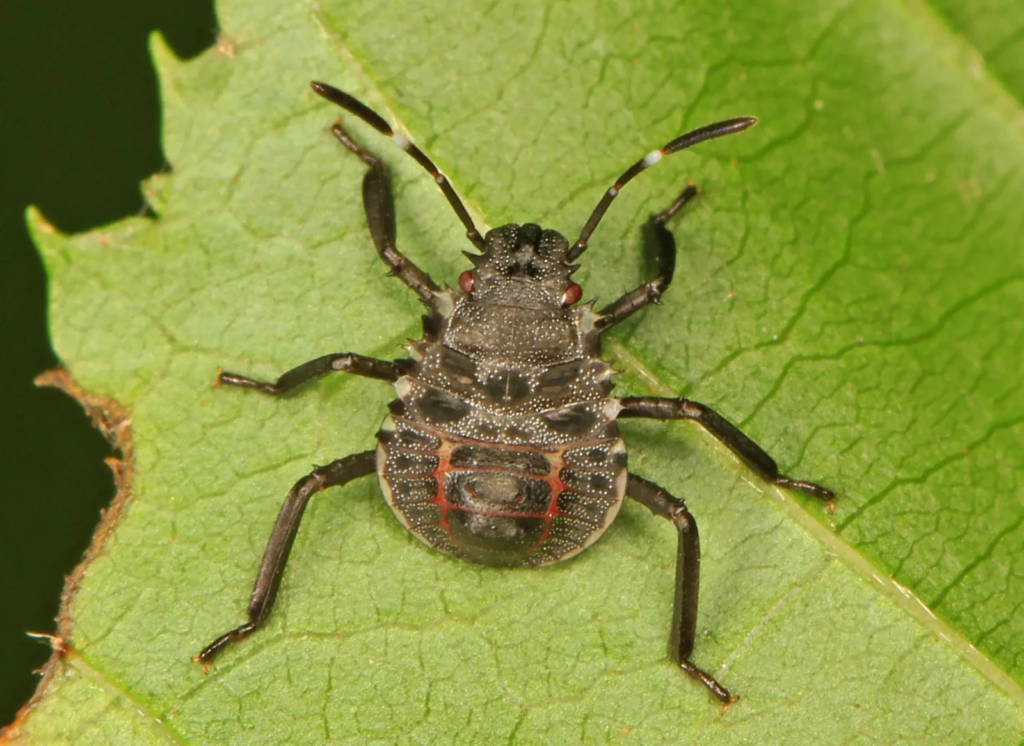
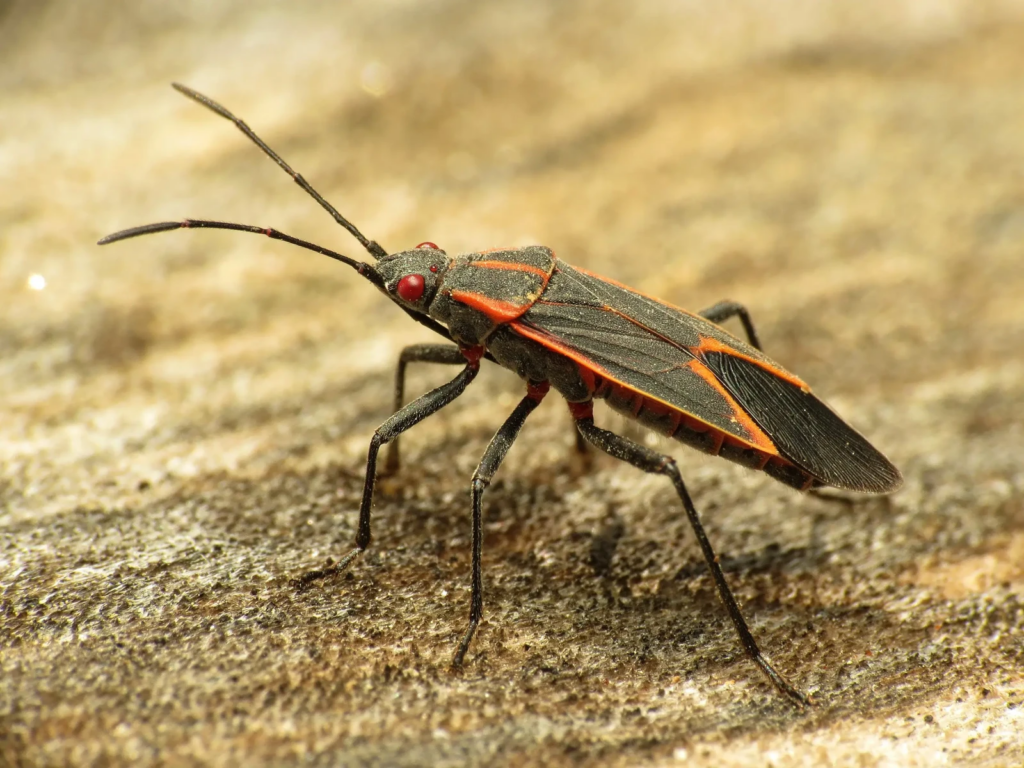
Adult boxelder bugs are black with reddish-orange lines along their wings and thorax, about half an inch long. Immature boxelder bugs (nymphs) are mostly solid red, which can make them look like a completely different insect at first glance.
Why They’re a Problem
Boxelder bugs don’t bite, sting, or damage your home. Their main offense is sheer numbers — they congregate by the hundreds on the sunny south and west sides of homes, fences, and trees in early fall before working their way toward cracks and gaps to get inside. Like stink bugs and lady beetles, they’ll emit an odor and can stain surfaces if crushed.
Why Late August and September Matter
All three of these pests follow the same basic pattern: as daytime temperatures start dropping and nights get cooler, they instinctively begin looking for a place to overwinter as adults. Homes are ideal because they retain heat, and light-colored exteriors that face south or west absorb even more warmth, which is why you’ll often see the heaviest activity on that side of the house.
This is also why timing matters so much for prevention. Sealing entry points in November, after these pests have already made it inside, does very little good. The window that actually makes a difference is September, before the migration into homes is in full swing.
How to Keep Fall Invaders Out
Seal cracks and gaps around your home’s exterior: Check window and door frames, siding, utility line entry points, and foundation cracks. Caulk anything you find. This is the single most effective step you can take, and it works best when done before late September.
Replace or repair damaged weatherstripping: Worn weatherstripping around doors and windows is one of the most common entry points for all three of these pests.
Screen attic and soffit vents: Attics are a favorite overwintering spot, and vents are an easy way in if they aren’t properly screened.
Check window screens for tears or gaps: Even small openings are enough for stink bugs and lady beetles to squeeze through.
Vacuum, don’t squash: If you do find these pests indoors, vacuuming them up (and disposing of the vacuum bag or emptying the canister outside) avoids the odor and staining that comes with crushing them.
Address it early with professional treatment: A perimeter pest treatment done in late August or September does far more good than the same treatment done in November, once these pests have already found their way inside. At Green Pest Solutions, our fall pest control services target exactly this window, treating entry points before the seasonal push indoors begins.
Don’t Wait for the Cluster to Show Up
Fall invaders aren’t dangerous, but a few hundred stink bugs on your siding or lady beetles working their way through a window screen are exactly the kind of nuisance that’s much easier to prevent than to deal with after the fact. The earlier you seal up your home and get ahead of it, the less of an issue this becomes once the weather really cools off.
If you’re already noticing activity around your home, now is the time to act.
Ready to get ahead of fall invaders? Get your free estimate here, or call us directly:
Topeka: (785) 596-0446
Lenexa/Kansas City: (913) 407-1600
